
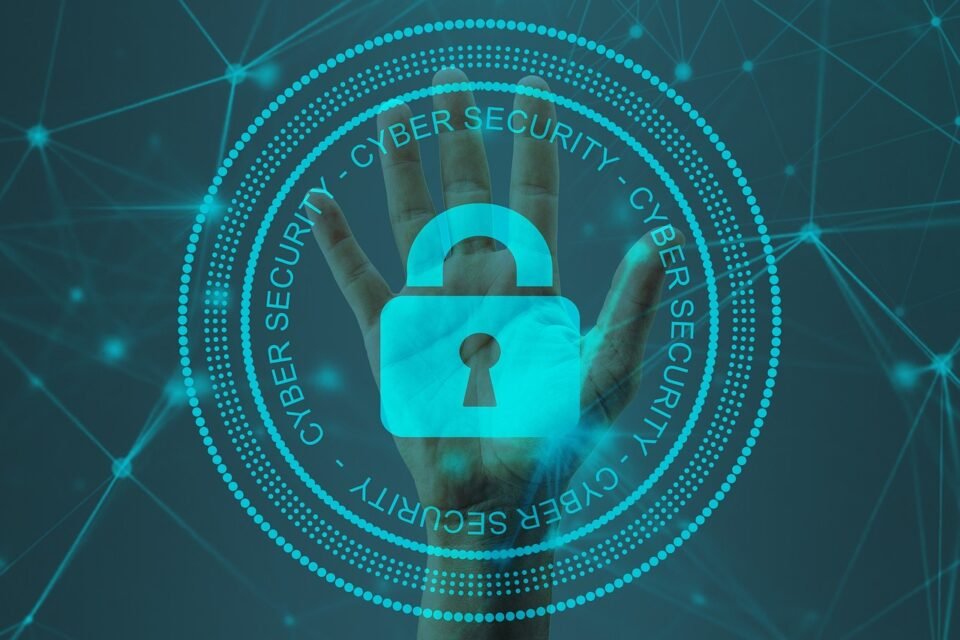
In the modern digital age, information travels at the speed of light. While technology offers convenience and connectivity, it also comes with significant risks. One of the most pressing concerns is the rise of online data leaks and information-sharing platforms. These incidents expose sensitive personal and corporate details, leading to security threats, privacy violations, and even financial losses.
This article explores the phenomenon surrounding thejavasea.me leaks aio-tlp, providing insights into how such leaks happen, their consequences, and the measures individuals and organizations can take to safeguard their data.
What Are Online Leaks?
Online leaks occur when unauthorized access to private databases, accounts, or documents leads to the exposure of information. Such leaks can range from email addresses and phone numbers to financial records, intellectual property, or government files.
Key characteristics include:
- Unauthorized access: Hackers or malicious actors bypass systems.
- Exposure of sensitive data: Information is made public without consent.
- Wide distribution: Data spreads across forums, websites, or dark web marketplaces.
These leaks often result from weak security systems, phishing attacks, or human error.
Understanding thejavasea.me Leaks AIO-TLP
Why It Draws Attention
The name thejavasea.me leaks aio-tlp is associated with discussions around leaked datasets and bundled information archives. “AIO” often refers to “All-In-One,” indicating that multiple data types are combined into a single source. Meanwhile, “TLP” can be related to “Traffic Light Protocol,” a system for classifying and sharing information securely.
When combined, these terms suggest a collection of exposed data shared online, raising questions about digital safety and ethical boundaries.
Commonly Leaked Data Types
- Email and password combinations
- Financial credentials such as credit card numbers
- Confidential business documents
- User profiles and personal details
- Proprietary code repositories
The Risks of Data Leaks
The exposure of sensitive information is not just a privacy issue—it carries real-world consequences.
For Individuals
- Identity theft: Stolen details can be used to impersonate victims.
- Financial fraud: Bank accounts and credit cards may be drained.
- Emotional stress: Victims face anxiety over loss of control.
For Organizations
- Reputation damage: Customers lose trust when companies fail to secure data.
- Regulatory fines: Governments impose strict penalties under laws like GDPR.
- Operational disruption: Businesses may face downtime after a breach.
Case Studies of Similar Incidents
Yahoo Data Breach
One of the largest leaks in history, Yahoo’s breach affected over 3 billion accounts. It revealed how vulnerable even tech giants can be when security systems are compromised.
LinkedIn Exposure
Leaked datasets containing millions of user profiles from LinkedIn circulated online, demonstrating how professional platforms are not immune.
Government Records Leaks
Incidents involving exposed government databases highlight the importance of protecting citizen data at a national level.
These examples show why awareness of platforms like thejavasea.me leaks aio-tlp is critical for digital safety.
How Data Ends Up Leaked
- Phishing Attacks – Tricking users into revealing credentials.
- Weak Passwords – Easily guessed login information.
- Malware Infections – Compromising devices and extracting files.
- Insider Threats – Employees leaking or selling data.
- Third-Party Vulnerabilities – Security gaps in partner companies.
Preventive Measures Against Leaks
For Individuals
- Use strong, unique passwords across platforms.
- Enable two-factor authentication for additional security.
- Regularly monitor financial statements for unusual activity.
- Be cautious with email links and attachments.
For Organizations
- Invest in cybersecurity infrastructure like firewalls and intrusion detection systems.
- Train employees on safe digital practices.
- Conduct regular audits and penetration testing.
- Encrypt sensitive data to reduce damage if stolen.
Ethical and Legal Considerations
The exposure and distribution of private data raises both ethical and legal issues:
- Privacy Rights: Individuals have a fundamental right to keep personal information safe.
- Cybercrime Laws: Many countries criminalize hacking and unauthorized data sharing.
- Moral Responsibility: Beyond legality, organizations must uphold trust.
Awareness of incidents like thejavasea.me leaks aio-tlp underlines the importance of enforcing strong data protection measures across all industries.
The Role of Technology in Leak Prevention
Modern solutions can help mitigate risks:
- Artificial Intelligence (AI): Detects suspicious patterns in network activity.
- Blockchain: Provides secure, tamper-proof data storage.
- Zero Trust Security: Assumes no user or device is trustworthy by default.
- Data Loss Prevention (DLP) Tools: Monitor and prevent unauthorized transfers.
The Future of Data Security
As digital transformation accelerates, cyber threats will continue to evolve. Future developments include:
- Stronger global regulations on data handling.
- Increased adoption of biometrics for authentication.
- Cloud security innovations to protect distributed environments.
- Public awareness campaigns encouraging safer online behavior.
The ability to manage risks linked to platforms such as thejavasea.me leaks aio-tlp will shape the future of personal and corporate security.
FAQs
1. What is thejavasea.me leaks aio-tlp?
It refers to online discussions about exposed data archives combining multiple information sources, often raising cybersecurity concerns.
2. How does a data leak affect individuals?
Leaks can lead to identity theft, financial fraud, and loss of personal privacy.
3. Can organizations recover from thejavasea.me leaks aio-tlp incidents?
Yes, but recovery requires transparency, improved security systems, and rebuilding customer trust.
4. How can I protect myself from leaks?
By using strong passwords, enabling multi-factor authentication, and avoiding suspicious emails or links.
5. Is accessing leaked data illegal?
Yes, in many jurisdictions, accessing or sharing leaked information without consent is unlawful.
6. Why is thejavasea.me leaks aio-tlp controversial?
It’s controversial because it highlights the tension between open information sharing and the need to protect private data.
7. What role do governments play in data leak prevention?
Governments enforce cybersecurity laws, impose fines for negligence, and promote data protection standards.
Conclusion
Data leaks represent one of the greatest challenges of the digital era. They compromise privacy, disrupt organizations, and create long-lasting damage for victims. Platforms and discussions like thejavasea.me leaks aio-tlp remind us that vigilance is essential in protecting sensitive information.
Whether you’re an individual user or a large organization, proactive steps toward cybersecurity can significantly reduce risk. By adopting modern tools, following best practices, and staying informed, we can collectively work toward a safer online environment.
